Waterproofing is a critical aspect of marine LED lights, vital for their performance and longevity. When we think about marine environments, water exposure is inevitable. Boats and other marine vehicles frequently encounter waves, rain, and humidity. This increases the risk of water damage and can severely impact lighting systems.
Why is waterproofing important for marine LED lights? Protection against water ensures that the lights function correctly, regardless of the weather. Without proper protection, LED fixtures can fail prematurely. Internal components can corrode, leading to malfunctions and safety hazards.
Moreover, the investment in high-quality waterproofed LEDs can save money in the long run. Choosing lights without adequate waterproofing might seem cost-effective initially. However, frequent replacements and repairs can add up. Maintaining reliable illumination is crucial for navigation and safety on the water. Therefore, when selecting marine LED lights, consider their waterproofing features carefully.
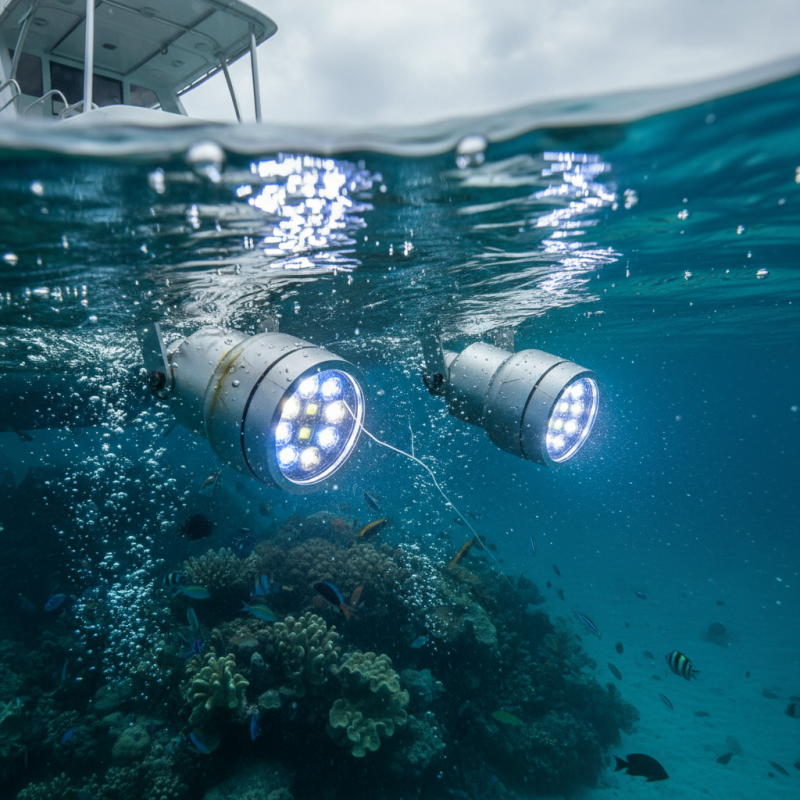
Marine LED lights are designed to shine brightly in harsh environments. Waterproofing is crucial in their design. Regular lighting solutions often fail in a marine setting. The saltwater and humidity create corrosive conditions. A simple splash can damage electrical components. This leads to malfunction or even total failure.
Waterproofing involves several techniques. Sealing materials, gaskets, and coatings are commonly used. These methods enhance durability and extend the lifespan of the lights. However, not all waterproofing solutions are equal. Some may wear out over time or under harsh conditions.
This inconsistency can be a concern for maintenance teams. Understanding the specific conditions of marine environments is essential. Factors like temperature changes and exposure to UV light can affect performance. Designers must consider these elements thoroughly.
While advancements are made, challenges remain in ensuring reliable waterproofing. Regular testing and updates of designs are needed to ensure effectiveness.
Marine LED lights provide essential illumination for boats and docks. Without proper waterproofing, these lights face significant risks. Exposure to saltwater, moisture, and humidity can lead to corrosion. Corroded components can fail, resulting in lights that dim or stop working altogether.
Another common issue involves condensation. Without a sealed unit, water can enter the light fixture. This can lead to short circuits and electrical failures. In a marine environment, these failures could pose critical safety risks. A well-designed waterproof light withstands harsh conditions, ensuring reliability on the water.
Yet, some marine lights may claim waterproof features without rigorous testing. This can lead to complacency among users. Regular inspections are necessary to ensure functionality over time. Users should know that even waterproof lights may require maintenance. It's essential to verify seals and gaskets periodically to prevent issues down the line.
Waterproofing is crucial for marine LED lights due to the harsh maritime environment. Industry standards, such as those set by the International Electrotechnical Commission (IEC), emphasize the need for quality waterproofing. The IEC 60529 standard specifies ingress protection (IP) ratings, which measure how well electrical equipment is sealed against water and dust. For marine applications, a minimum IP67 rating is often recommended. This means the lights can withstand immersion in water for a period.
Recent reports indicate that over 65% of marine lighting failures are linked to inadequate waterproofing. The consequence of poor waterproofing can be significant. Corrosion and short-circuits not only pose safety risks but also lead to costly maintenance. It is essential to use materials and designs that meet marine-grade specifications. Reliable testing ensures that marine LED lights perform well in extreme conditions.
Despite these standards, there is often an inconsistency in quality across products. Manufacturers may cut corners on waterproofing to reduce costs. This reality raises concerns about reliability. Effective waterproofing requires continuous innovation and rigorous testing. The marine lighting industry must prioritize compliance with established standards to enhance safety and longevity. Each new product must undergo rigorous checks to ensure it meets the necessary criteria.
| Dimension | Description | Importance | Regulations |
|---|---|---|---|
| Ingress Protection (IP) Rating | Measures the degree of protection against water and dust. | Ensures longevity and performance in harsh marine environments. | IP67 or IP68 standards are commonly required for marine lights. |
| Material Durability | Use of corrosion-resistant materials such as marine-grade aluminum or stainless steel. | Prevents degradation and ensures safety during operation. | Compliance with ASTM standards for marine materials. |
| Sealing Mechanisms | Gaskets and seals prevent water intrusion. | Crucial for maintaining light functionality during exposure to water. | Must meet ISO 9001 quality control standards. |
| Energy Efficiency | Low power consumption while providing high brightness. | Reduces overall energy use and environmental impact. | Adherence to Energy Star ratings where applicable. |
| UV Resistance | Protection against degradation from sunlight exposure. | Extends the lifespan of lighting fixtures in outdoor conditions. | Should comply with relevant ASTM UV standards. |
Waterproof marine LED lights play a crucial role in enhancing safety on watercraft. Their design withstands harsh marine conditions. Non-waterproof options often fail in moisture-rich environments. Corrosion and short circuits frequently affect these lights. Regular replacements can become costly and inconvenient.
When choosing between waterproof and non-waterproof options, performance is key. Waterproof LEDs continue to shine even during heavy rain or splashes. This reliability ensures that crucial navigation and safety features remain operational. Non-waterproof LEDs may flicker or dim, leading to dangerous situations. The difference in visibility can be stark, especially at night.
The build quality of waterproof marine LEDs often includes sealed enclosures. These contribute to longevity and durability. However, not every waterproof product guarantees high performance. It’s essential to research and ensure the product meets industry standards. Investing in high-quality lights offers both peace of mind and enhanced safety.
Waterproofing is crucial for marine LED lights. The harsh marine environment can cause significant damage to inadequate lighting solutions. Saltwater, humidity, and varying temperatures can lead to wiring failures and corrosion. To ensure longevity, maintaining proper waterproofing is essential. It not only protects the fixture but also enhances its performance.
Using appropriate sealing materials is vital. Silicone sealants are commonly used for their durability and flexibility. Ensure all junctions and connections are properly sealed. Regular inspections of sealing integrity can catch small issues before they become major problems. Stray water can seep into the fixture, causing short circuits or reduced visibility.
Furthermore, consider the installation method. Mounting methods that allow for drainage can prevent water accumulation. Improper placement can lead to unnecessary exposure to elements. Evaluate the location and environment where the lights will be used. This reflection can guide better choices. Each marine setting presents unique challenges. Taking these steps helps avoid costly replacements and improves safety on the water.
: Waterproofing prevents corrosion and electrical failures from exposure to saltwater and humidity.
They can corrode, dim, or fail altogether, posing safety risks.
A minimum IP67 rating is often recommended for effective waterproofing in marine applications.
Water can enter the light fixture, causing short circuits and electrical failures.
No, some may claim waterproof features without proper testing, leading to reliability issues.
Regular inspections are necessary to ensure functionality and verify seals and gaskets.
Over 65% of failures are linked to poor waterproofing.
To reduce costs, which can raise concerns about product reliability.
Waterproof LEDs perform reliably in wet conditions, while non-waterproof options may flicker or fail.
No, researching and verifying the product’s compliance with industry standards is essential.
Waterproofing is crucial for marine LED lights due to the challenging environmental conditions encountered on the water. The article discusses why waterproofing is important for marine LED lights, highlighting that proper waterproofing protects against corrosion, moisture ingress, and the resultant performance failures. Without adequate waterproofing, marine LEDs face serious risks such as short circuits and reduced lifespan, which can compromise safety and functionality.
Furthermore, the text outlines the industry standards and regulations that ensure marine lighting is designed to withstand harsh conditions. It emphasizes performance differences between waterproof and non-waterproof marine LEDs, with the former demonstrating significantly better reliability and longevity. Best practices for effective waterproofing include choosing suitable materials and seals, ensuring comprehensive testing, and regular maintenance to preserve the integrity of marine lighting systems. This holistic approach to waterproofing enhances safety and performance, making it a fundamental aspect of marine LED design.

Experts LED Lighting