LED lights are known for their energy efficiency and long lifespan. However, proper maintenance is key to ensuring they perform at their best. Many people wonder, "How to maintain your LED lights for optimal performance?" This question is crucial for homeowners and businesses alike. Regular care and attention can significantly extend the life of these lights and enhance their brightness.
Understanding simple maintenance routines can prevent early burnout of LED fixtures. Dust and dirt build-up can reduce light output. Cleaning your LED lights regularly, at least every few months, keeps them bright. Pay attention to the surrounding environment, as humidity and temperature can affect their performance.
Additionally, checking connections and using compatible dimmers will ensure your lights function smoothly. It's easy to overlook these details amid busy schedules. Yet, these small actions have a big impact. Reflecting on your LED maintenance routine will help you identify areas for improvement. A proactive approach will ultimately lead to better illumination and energy savings.
Best Practices for Installing LED Lights to Ensure Optimal Performance
When installing LED lights, proper practices are essential for optimal performance. Choosing the right location for your fixtures can make a significant difference.
Avoid placing them directly under sunlight, as excessive heat can reduce their lifespan. Install lights at a height that ensures adequate coverage without causing glare.
This careful positioning can maximize brightness and improve energy efficiency.
Consider dimmers and smart controls for flexibility. These tools allow you to adjust brightness based on your needs. They can help save energy too.
Additionally, ensure your wiring is compatible with LED technology. Using the correct gauge is crucial to avoid overheating or flickering, which often occurs with unsuitable connections.
Pay attention to fixtures and fittings. High-quality fixtures can enhance the performance of your LED lights. Look for materials that dissipate heat effectively.
Poorly ventilated fixtures may lead to overheating, which shortens the lifespan of the bulbs. Regularly check for dust and debris; they can obstruct light output. Keeping your fixtures clean is an often overlooked but vital aspect of maintenance.
Understanding the Lifespan of LED Lights: Key Factors Affecting Longevity
LED lights are celebrated for their energy efficiency and long lifespan. However, various factors impact their longevity. Heat management is paramount. High temperatures can significantly shorten an LED's life. Adequate ventilation and heat sinks are vital for optimal performance.
Another critical aspect is the quality of components used. Poor materials can lead to early failures. Always choose fixtures with reliable certifications. Voltage fluctuations can also pose threats. Consistent power supply enhances lifespan. Surges or dips can degrade LED performance over time.
User habits play a role too. Regular cleaning helps avoid dust accumulation. Dirty surfaces can hinder brightness and heat dissipation. Observing these key factors will ensure LEDs perform well and last longer. Embracing these details can offer future-oriented insights for effective maintenance strategies.
How to Maintain LED Lights for Best Performance Tips?
| Factor |
Impact on Lifespan |
Recommended Action |
| Heat Management |
Excessive heat can shorten lifespan significantly. |
Ensure proper ventilation around fixtures. |
| Voltage Regulation |
Fluctuations can lead to reduced efficiency and lifespan. |
Use a voltage stabilizer or a suitable transformer. |
| Dust and Debris |
Can cause overheating and reduced brightness. |
Regularly clean fixtures with a damp cloth. |
| Usage Patterns |
Frequent on-off cycles can decrease lifespan. |
Use dimmers to reduce frequent cycling. |
| Quality of Components |
Lower-quality parts may fail sooner. |
Invest in high-quality LED products from reliable sources. |
Routine Cleaning Techniques for LED Lights to Maintain Brightness
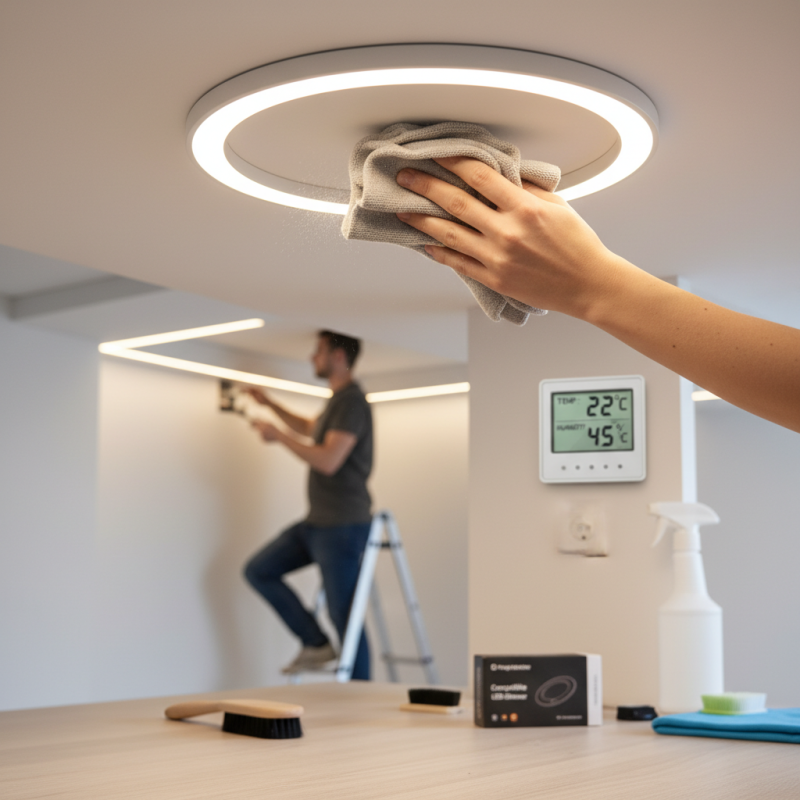
Keeping your LED lights clean enhances their brightness and longevity. Dust and grime can accumulate over time, dulling their glow. Regular cleaning is essential to maintain optimal performance. Use a soft, lint-free cloth to wipe the surface gently. For deeper cleaning, slightly dampen the cloth with water or a mild detergent. Always disconnect the power before cleaning.
Tips: Apply a few drops of vinegar to stubborn spots. This natural solution helps break down residues without damaging the light. Avoid using abrasive cleaners. They can scratch the surface, reducing light output.
Check your LED lights regularly for signs of wear. Flickering bulbs or dimming lights may indicate the need for replacement or further cleaning. Creating a routine cleaning schedule helps in keeping your lights in shape. Inspect the fixtures and connections, as dirt can obstruct proper function. A regular check ensures everything works smoothly and efficiently.
Optimizing Heat Management in LED Lighting Systems for Enhanced Durability
Proper heat management is crucial for optimizing LED lighting systems. Excessive heat can significantly reduce the lifespan and efficiency of LED lights. To combat this, ensure that your LED fixtures have adequate ventilation. This promotes better airflow, allowing heat to dissipate effectively.
In addition to ventilation, consider using heat sinks. These components absorb and dissipate heat away from the LED. Proper installation of heat sinks is essential. If not correctly placed, they may trap heat rather than release it. Regularly check for dust accumulation on fixtures. Dust can block airflow and create hotspots.
Monitor the ambient temperature around your LED lights. High temperature environments can strain the system. If possible, install lights in cooler locations. It’s also worth noting that dimming LEDs can lower their temperature. This could extend their operational life.
Balance performance with heat management. Sometimes, smaller issues, like insufficient wiring, can lead to heat buildup. A systematic review of your setup will help you identify and resolve these concerns.
Using Quality Accessories: The Impact of Drivers and Dimmers on LED Lifespan
When it comes to LED lights, using quality accessories is crucial.
Drivers and dimmers can significantly impact the lifespan of your LEDs. A reliable driver ensures that your LEDs receive a consistent voltage and current. This stability prevents flickering and prolongs the life of the bulbs. Quality drivers can prevent overheating, a common issue that leads to early burnout.
Moreover, the choice of dimmers plays a vital role. Not all dimmers work well with LED technology. Using incompatible dimmers can lead to poor performance and reduced lifespan. Dimmer switches should be specifically designed for LEDs to maintain efficiency. Installations should be done carefully to avoid wiring errors that could damage both the dimmers and the lights.
While you may see lower-cost options, cheaper components often compromise quality. A subpar driver may save you money upfront but can lead to frustrating issues later. Some users report flickering lights and short lifespans when using lesser components. Investing in quality accessories will pay off in the long run.
Educate yourself on what to look for in drivers and dimmers to ensure reliable performance.
FAQS
: Sunlight can generate excessive heat, reducing the lifespan of LED lights.
Proper positioning of lights can enhance brightness and energy efficiency while minimizing glare.
Dimmers and smart controls adjust brightness and can help save energy based on your lighting needs.
Incompatible wiring can cause overheating and flickering, impacting performance and safety.
Quality fixtures dissipate heat effectively, preventing overheating and prolonging bulb lifespan.
Use a soft, lint-free cloth to gently wipe the surface; dampening with water can help with deeper cleaning.
Yes, a few drops of vinegar can clean stubborn spots effectively without harming the light.
Flickering or dimming may indicate a need for cleaning or replacement; inspect the connections for dirt.
Regular checks help maintain optimal performance; create a schedule to ensure everything works smoothly.
Dust and grime can dull brightness, leading to reduced light output and shorter lifespan of the bulbs.
Conclusion
To effectively answer the question "How to maintain your LED lights for optimal performance?", it is essential to follow best practices during installation, ensuring proper placement and connections for maximum efficiency. Understanding the lifespan of LED lights involves recognizing key factors that can impact longevity, such as environmental conditions and usage patterns.
Routine cleaning techniques should be implemented to maintain brightness and overall light quality, while optimizing heat management within the lighting systems is crucial for enhancing durability. Additionally, using quality accessories, including drivers and dimmers, can significantly influence the lifespan of LED lights. By adhering to these guidelines, users can enjoy longer-lasting and more efficient LED lighting solutions.
 Experts LED Lighting
